
Luxury Remodeling in Dallas
Custom home builder serving Dallas, Plano, Frisco, McKinney, Prosper, Celina, and The Colony
What Luxury Remodeling Really Involves
Most people think remodeling means new cabinets and a fresh coat of paint. It rarely is. A real luxury remodel touches the bones of the house, not just the surface. We’re talking about moving load-bearing walls, rerouting plumbing, upgrading electrical panels, and reworking HVAC so the new layout breathes right. More often than not, once we open a wall in an older Dallas home, we find something the original plans never showed.
- Structural changes, like removing walls for open-concept living
- Full mechanical updates to plumbing, electrical, and HVAC
- Whole-home remodeling that touches multiple rooms in one project
- Kitchen and bathroom remodeling done as part of a bigger scope
- Structural renovations tied to master suite additions or layout changes
Because this work runs deep, not wide, our remodeling projects carry a $75,000 minimum project size. That’s the floor for the scope involved once walls come down and systems get rebuilt.
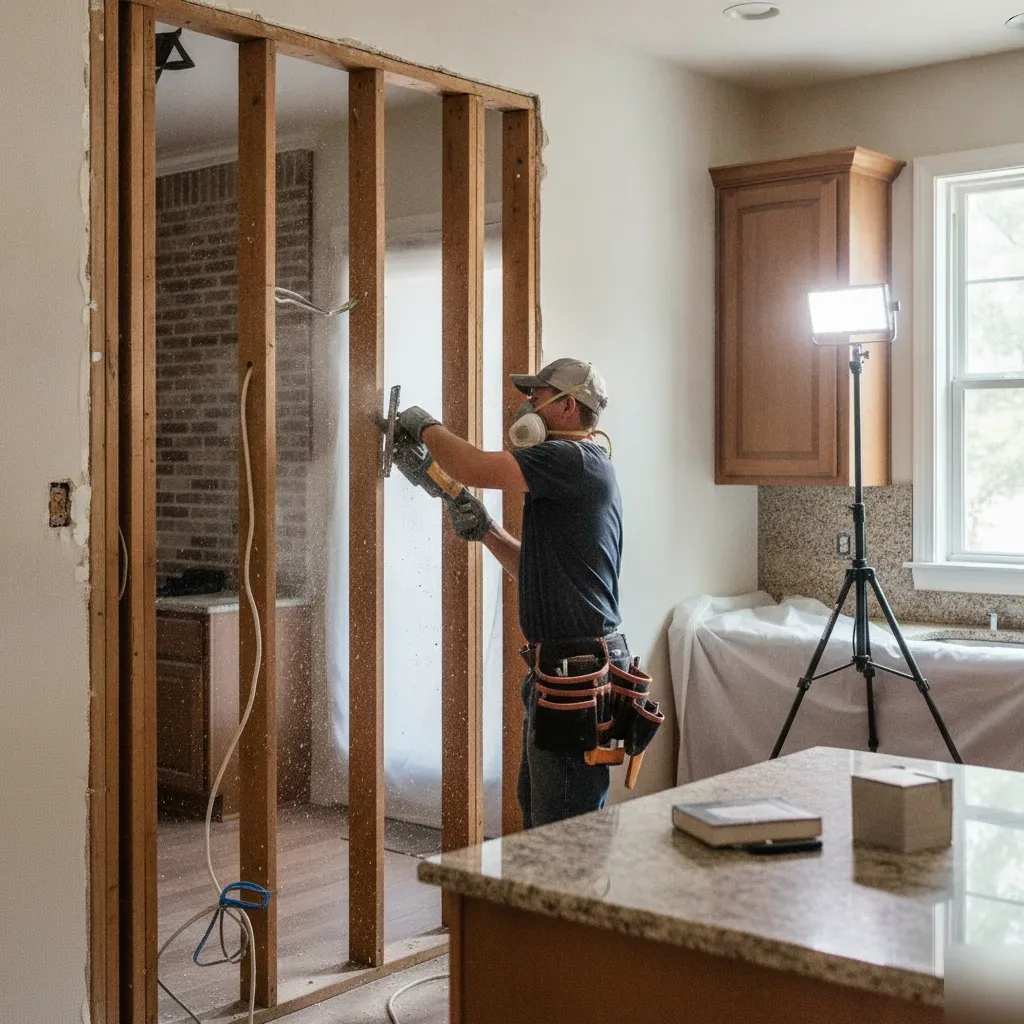
Remodeling a Home Versus Building a New One
If your lot, your street, and your neighbors are the reason you bought the house, remodeling almost always wins. You keep the location, the trees, the setback. You just fix what isn’t working.
New construction makes more sense when the house itself is fighting you: load-bearing walls stacked wrong through two stories, foundation trouble bigger than a repair, or a lot too small for how you want to live.
If you’re still unsure, take a look at our full range of remodeling and renovation services and see where your project lands.
Either way, once we walk the house with you, the right path is usually obvious.
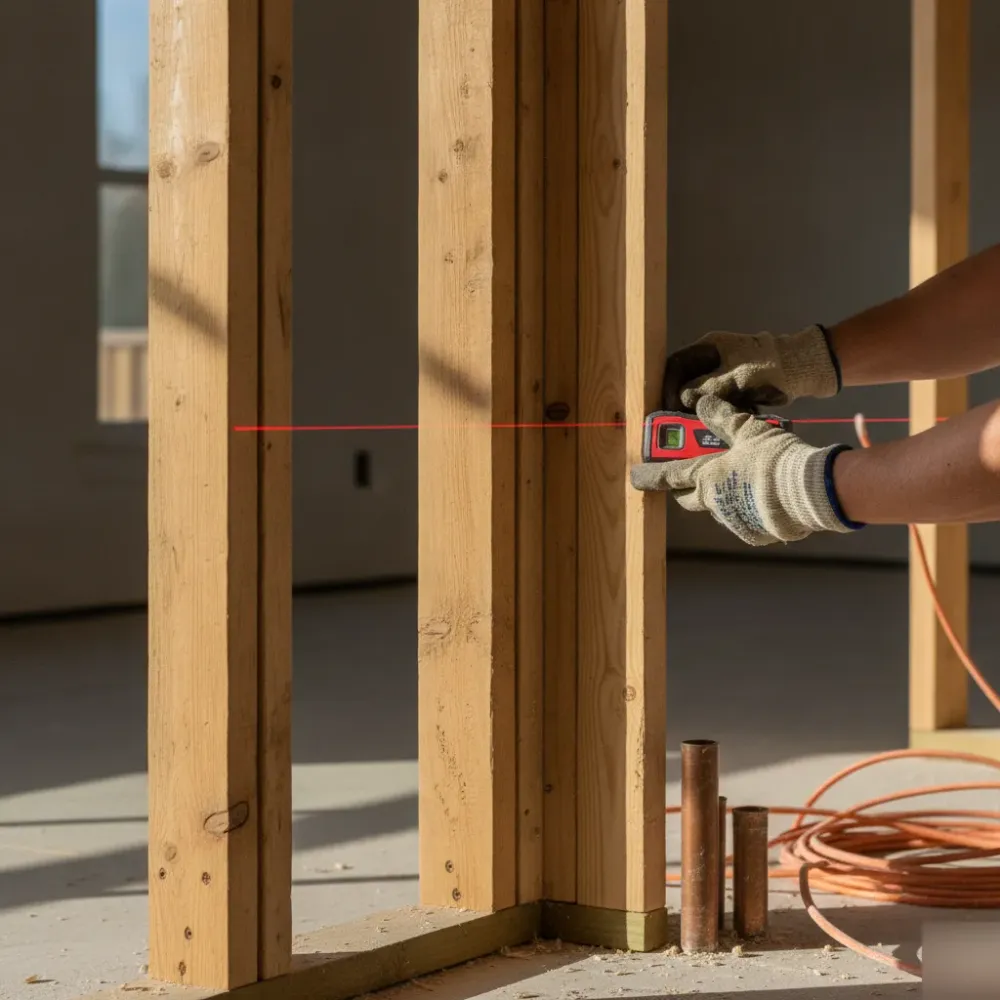
Signs You Don't Need a Full Luxury Remodel
Not every project needs this. We say that a lot, and we mean it. If your kitchen needs new hardware and paint, that’s not a luxury remodel. If one bathroom has dated tile but the rest of the house is fine, that’s a repair job. A drywall patch after a leak is maintenance.
- One room needs a cosmetic update, nothing structural is changing
- You want new fixtures or finishes but the layout stays the same
- The work is a repair, not a redesign, like fixing a leak
- Your budget is well under the project minimums this kind of work requires
- You just need a handyman or a specialty contractor for a single fix
Before you call anyone, ask whether you’re changing how your home lives, or just freshening how one part of it looks. Have questions? We’re happy to help. (469) 333-3179
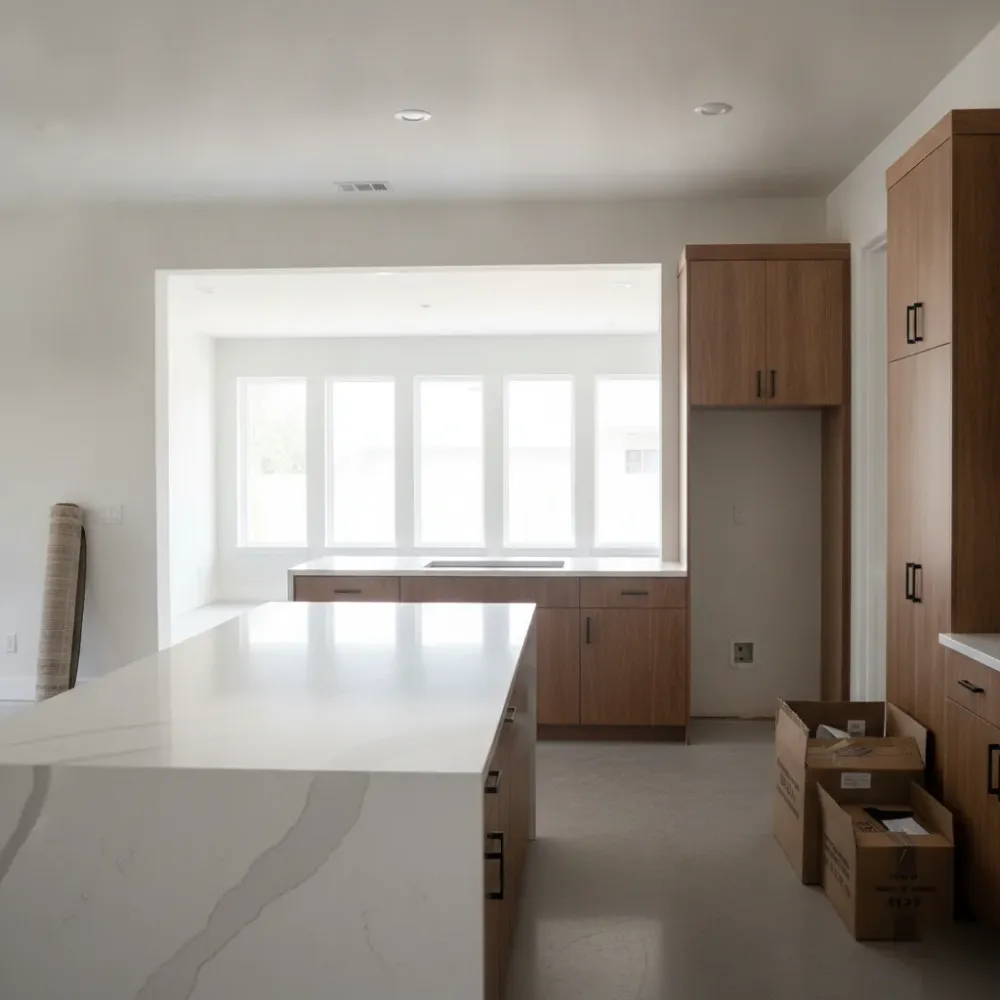
How the Remodeling Process Runs From Consultation to Walkthrough
Every luxury remodel follows a sequence. Skip a step and you feel it later, usually as a change order or a delay.
- Walkthrough and scope definition. We look at the space with you and talk through what’s staying and what’s coming out.
- Structural and systems assessment. Older homes across Dallas, Plano, Frisco, and McKinney often hide plumbing or electrical runs that have to move first.
- Design and material selections. This is where the finished look gets locked in, cabinetry, stone, fixtures, flooring.
- Trade sequencing. Demo, framing, mechanical, drywall, in that order, so no crew works on top of another.
- Rough-in and inspection points. Plumbing and electrical get checked before walls close up.
- Finish carpentry and detailing. Trim, hardware, and paint, the parts that make a room feel finished.
- Final walkthrough. We go room to room with you before we call it complete.
Skipping the structural review is where budgets blow up mid-project.

Permitting Rules Across Dallas and Nearby Suburbs
Dallas, Plano, Frisco, McKinney, Prosper, Celina, and The Colony each run their own building department. There’s no single office covering all of them. That matters because luxury remodeling usually goes past cosmetic changes. Moving a load-bearing wall, adding structural support for a second bathroom, or reworking electrical and plumbing typically triggers plan review.
Your remodel needs to be designed with your city’s process in mind from the start. A structural change drawn without knowing what the building department wants to see often means redrawn plans and a second trip through review.
- Dallas: separate building department, structural changes require plan review
- Plano: separate building department, its own submittal process
- Frisco: separate building department, growing fast so review volume varies
- McKinney: older homes near downtown often need extra structural documentation
- Prosper and Celina: smaller departments, still require review for structural work
- The Colony: its own process for permitted remodel work
Frequently Asked Questions
We serve homeowners across Dallas, Plano, Frisco, McKinney, The Colony, Prosper, and Celina. Each city runs its own building department, so permitting rules can differ from one address to the next. That means the paperwork for a Frisco project won’t match what Dallas requires. We handle those local rules for you, so you don’t have to track down separate offices or codes. Knowing your city’s process early keeps your project on schedule and avoids surprise delays once construction starts.
During the first walkthrough, we look at your space with you and talk through what stays and what goes. This is where we define the real scope of work, not just the finish level. We check load-bearing walls, plumbing runs, and electrical panels before any demo begins. For older homes, this step often uncovers things the original plans never showed. Skipping this review is where budgets get thrown off later, so we treat it as the most important part of your project.
The most common problem is plumbing or electrical work hidden behind walls that doesn’t match the original plans. Homes built decades ago in Dallas often went through small updates over the years without proper documentation. Once we open a wall, we frequently find wiring or pipe runs that need to move before framing can continue. This is why a structural and systems assessment happens early in every project. Finding these issues before construction starts protects your timeline and keeps your remodel moving forward smoothly.
You need a repair, not a full remodel, if only one room needs cosmetic updates and nothing structural is changing. Swapping a faucet, patching drywall, or refreshing paint doesn’t require a full design-build team. A luxury remodel makes sense when you’re changing how your home lives, not just how one part looks. If you’re moving walls, rerouting plumbing, or updating electrical and HVAC together, that’s remodel territory. Ask yourself if the whole space needs to work differently, or just look better.
Remodel your home if you love your lot, street, and neighborhood, and the house just needs updating. You keep your trees, your setback, and the location you already chose. Building new makes more sense when the house itself fights you, like load-bearing walls stacked wrong through two stories or foundation trouble bigger than a repair. We see this often in homes added onto piecemeal over the years. Walking the house together usually makes the right path clear pretty quickly.
A luxury remodel typically takes several months, since the process runs through walkthroughs, structural assessment, design selections, and multiple trade phases in sequence. Demo, framing, mechanical work, and drywall happen in a specific order so crews aren’t working on top of each other. Plumbing and electrical get inspected before walls close up, which adds time but protects your investment. Because this work touches the bones of the house, rushing the schedule usually leads to costly change orders later.
Request a Consultation. Call (469) 333-3179 today.