
Bathroom Remodeling in Dallas
Custom home builder serving Dallas, Plano, Frisco, McKinney, Prosper, Celina, and The Colony
Reading the Warning Signs: Cosmetic Fix or Full Remodel
So how do you tell the difference? We get this question all the time. , the homeowner already suspects the answer before we even walk in.
A bathroom that just looks tired is a different problem than a bathroom that’s failing. Chipped grout, an old faucet, a vanity you’re sick of looking at, none of that requires tearing anything apart. But if you push on the floor near the tub and feel give, that’s not cosmetic. If tile is cracking in a straight line across the room, something underneath is moving. And if the shower has been leaking behind the wall for a while, the drywall and framing are probably already compromised, whether you can see it or not.
- Soft or spongy flooring near the tub or toilet, usually water damage in the subfloor
- Cracked tile or grout lines that keep coming back after you patch them
- A layout that no longer works, like a tub nobody uses or a door that hits the vanity
- Plumbing or electrical still running on original runs from decades back
- Recurring mildew smell that cleaning never fully solves
If you’re only dealing with the first item on that list, a repair might genuinely be enough. Full stop. We’d rather tell you that upfront than send you into a bigger project you don’t need yet.
But once two or three of those signs show up together, patching one at a time stops making sense. That’s usually when a homeowner calls us instead of another plumber.
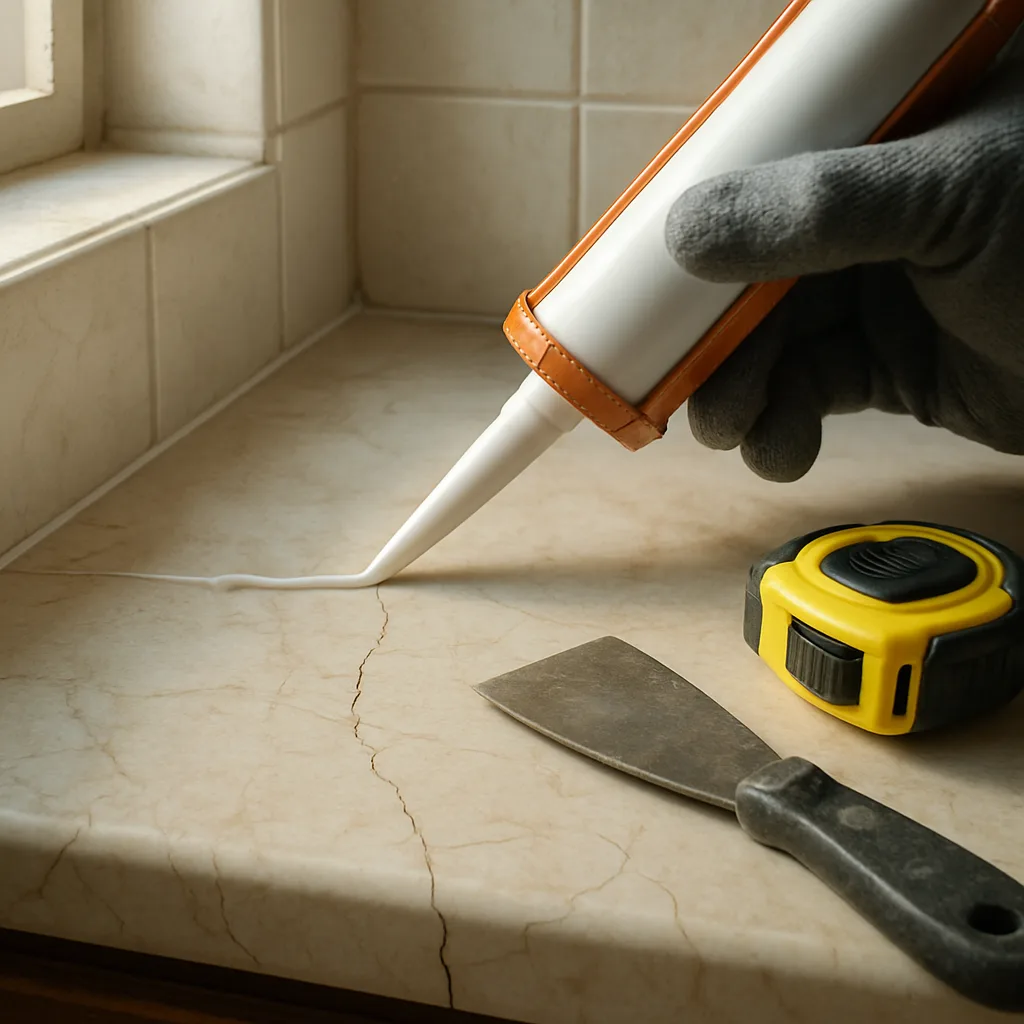
When You Don’t Need a Full Bathroom Remodel
Not every bathroom problem needs a full remodel. Some just need a or a plumber, and we’ll tell you that straight up.
A dripping faucet doesn’t mean your bathroom needs to be torn out. Neither does grout that’s gone gray, a toilet that runs, or a vanity light that flickers. Those are repair calls, not remodel calls. We get asked about these things more than you’d think.
- One fixture is failing but the rest of the room works fine
- The layout already suits how you use the space, you just want new finishes
- The bathroom was updated within the last several years and only looks dated cosmetically
- Water damage is limited to a small, visible spot and hasn’t spread into framing or subfloor
So how do you know when it’s a remodel? Look for the signs that go past the surface. Soft flooring near the tub, a shower pan that’s failing underneath the tile, plumbing lines that were never moved when the rest of the house got updated, or a layout that fights you every single morning. That’s different. That’s structural, and it’s where our team’s actual scope starts, work covered under our remodeling and renovation Services
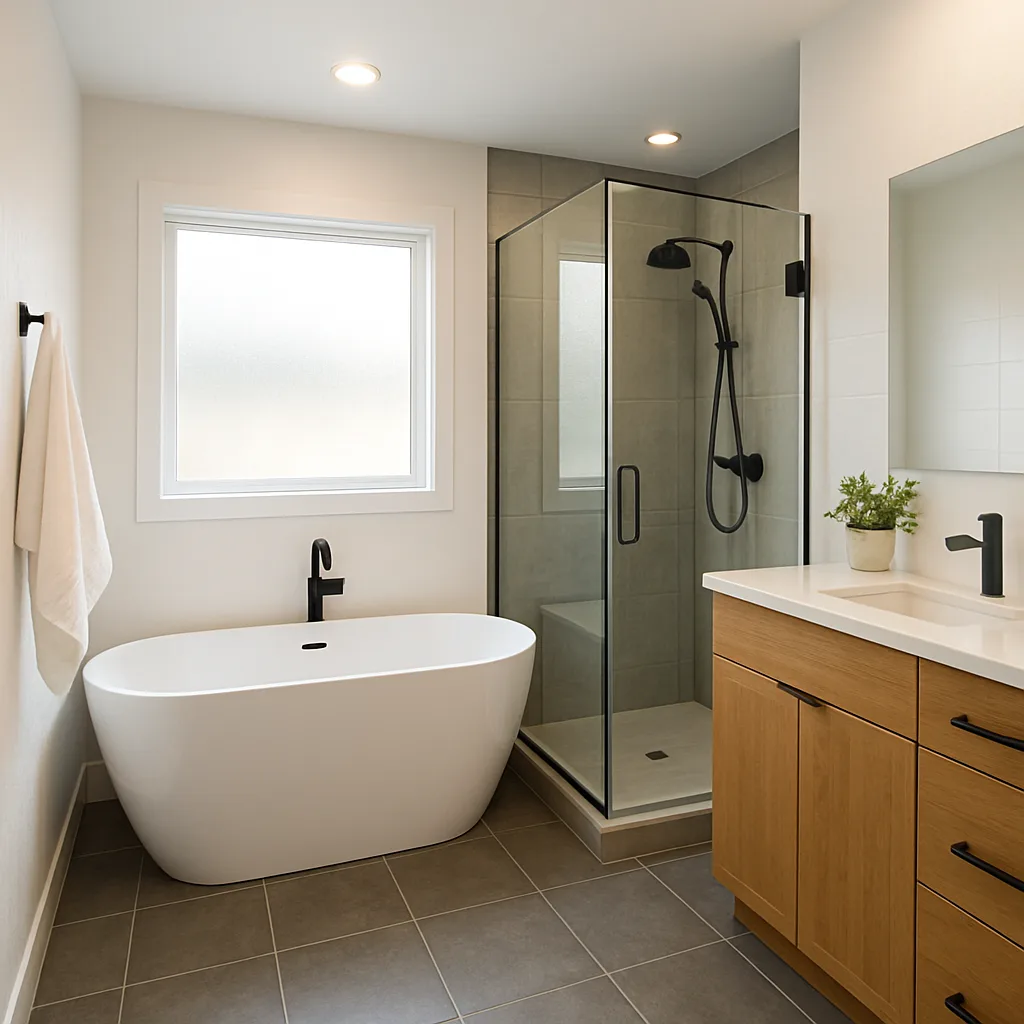
What to Ask Before You Hire a Remodeling Contractor
Here’s the thing. A lot of bathroom remodeling problems don’t show up during the sales pitch. They show up three weeks in, when the shower pan is already poured wrong. So before anyone touches your bathroom, ask hard questions and listen for real answers, not just reassurance.
- Who pulls the permit, and does that person walk the inspections in person or send someone else
- What happens if they open a wall and find rot or old plumbing nobody expected
- How do they handle waterproofing behind tile, and what product line do they use in wet areas
- Who’s swinging the hammer, is it their crew or a rotating group of subcontractors
- What’s the sequence, and how many days will your only working bathroom be out of service
- How do change orders get documented, in writing or a verbal nod
Watch how they answer the plumbing question. Vague answers there usually mean vague answers everywhere else. And don’t be shy about asking what a full gut looks like versus a surface refresh, because those two jobs share almost nothing sequence or decision points.
One more thing worth asking. Who is your single point of contact once the deposit clears? On a lot of remodels, that person becomes a stranger the moment work starts, that’s a real problem when you have a question about tile spacing at 4pm on a Tuesday.
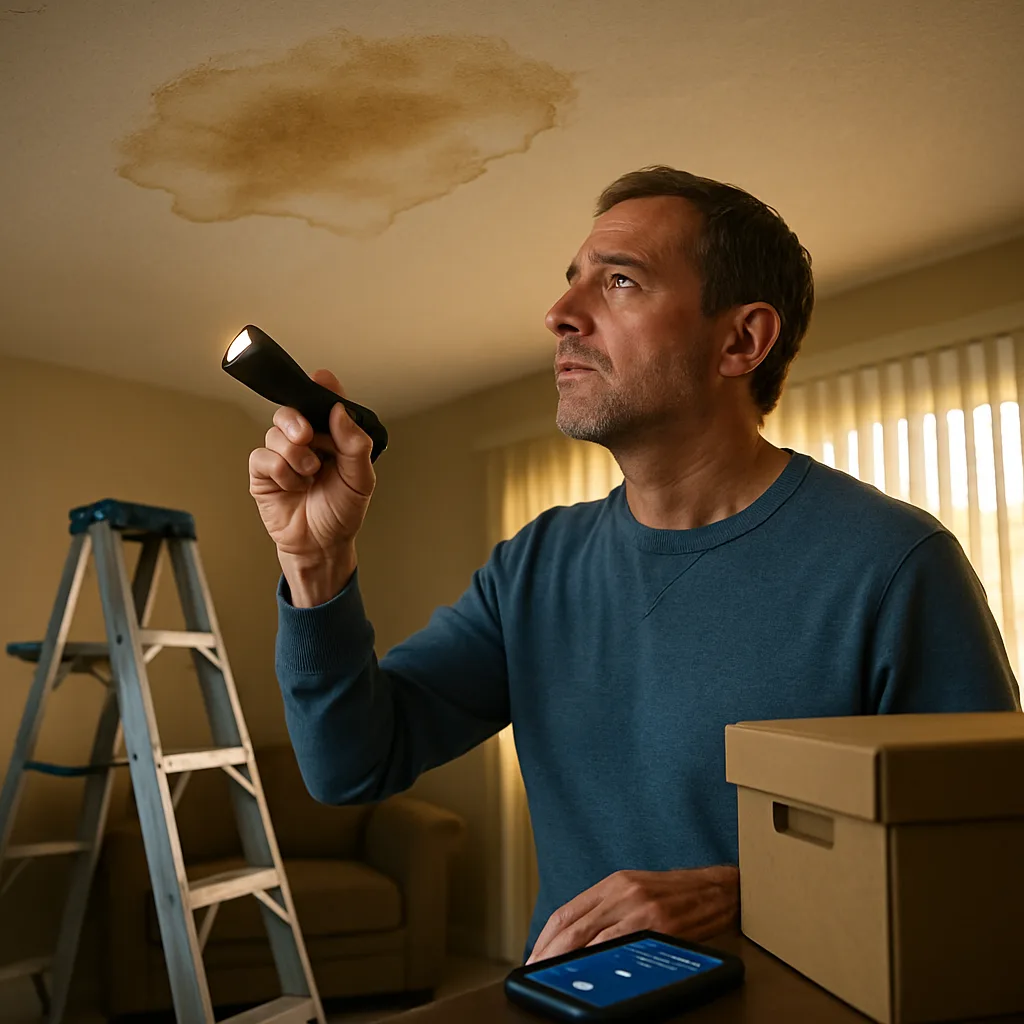
Permits, Inspections, and the Remodeling Process in Dallas
Not every bathroom job needs a permit. Swap out a vanity or re-tile the same footprint and you’re usually fine. Move a toilet, relocate a shower drain, or open a wall for a bigger walk-in shower, and now you’re into plumbing and possibly framing work that a city inspector needs to see. Here’s the thing about Dallas area bathrooms – a lot of the older housing stock has cast iron drain lines and galvanized supply lines that were never meant to be reconfigured twice. Once we open a wall and find that, the scope can shift, and that’s a conversation we have with you before we go further, not after.
- Relocating a toilet, tub, or shower drain
- Adding a new electrical circuit for lighting or a heated floor
- Removing or moving a wall to expand the space
- Converting a tub to a curbless walk-in shower with new framing
- Any work tied to a home addition or master suite expansion
Any of those trigger a plumbing or electrical inspection, sometimes both, before the walls get closed up. That’s the rough-in stage. We rough in the pipe and wire, the inspector checks it, then we insulate and hang drywall. Skip that step and you’re gambling on work nobody outside your household ever verified.
So the sequence matters as much as the finishes you pick. Demo first, then rough-in, then the inspection, then the finish work everyone gets excited about – tile, fixtures, glass. Permit requirements and inspection scheduling differ across Dallas, Plano, Frisco, McKinney, Prosper, Celina, and The Colony, so we handle that piece directly with the local building department rather than putting that burden on you.
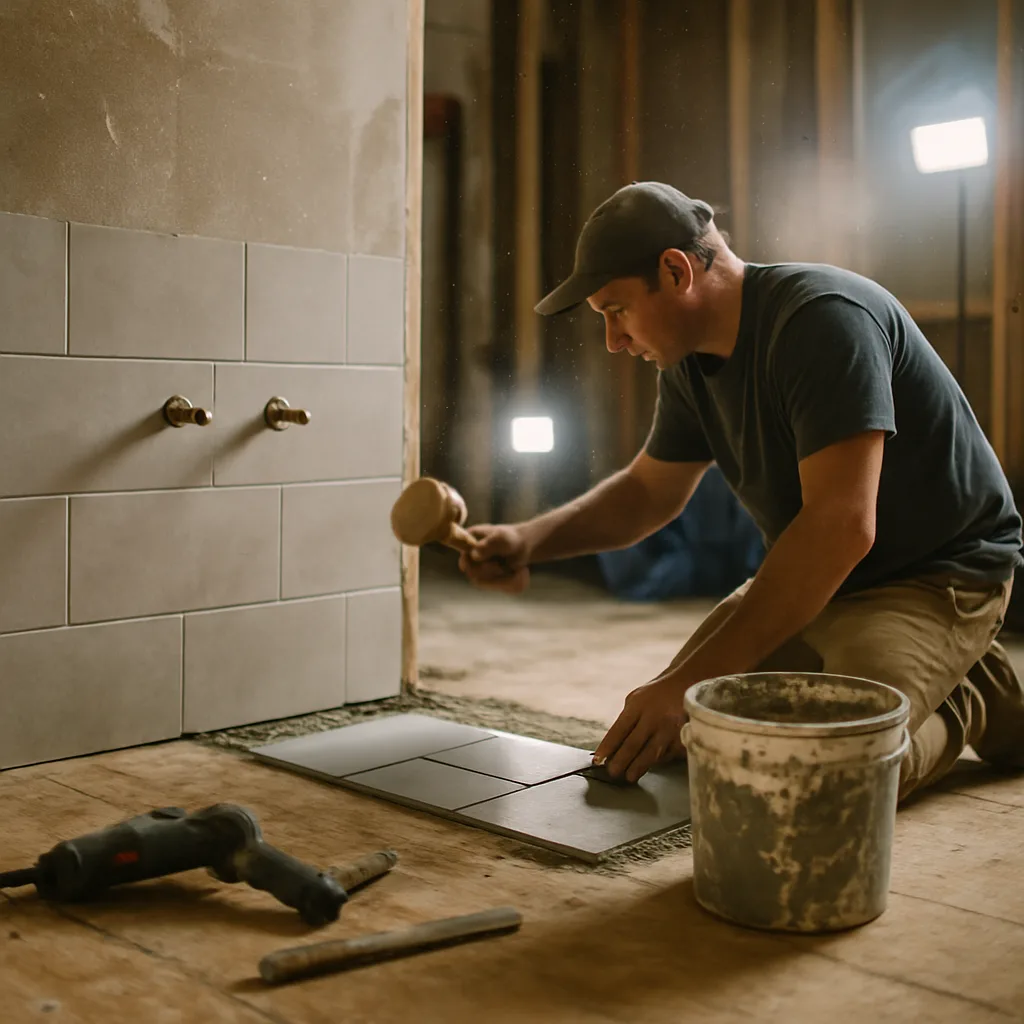
What Drives Bathroom Remodeling Costs
Every bathroom remodel starts the same way. Then the decisions pile up, and those decisions are what set the cost. Two bathrooms the same size can land in completely different places once plumbing, layout, and material choices get factored in. Moving a toilet or a shower drain costs more than most people expect. So does relocating a wall to widen a cramped layout. Once you open a wall in an older Dallas home, you sometimes find outdated wiring or plumbing that needs updating anyway, and that changes the scope fast.
- Whether plumbing lines are moved or stay in place
- Structural changes like removing or relocating walls
- Custom tile work, stone, or specialty finishes versus simpler materials
- Ventilation and waterproofing upgrades required by current code
- Cabinetry, custom vanities, and built-in storage
- How many fixtures get replaced versus reused
Ask any contractor about cost before you sign anything. What’s included, what’s an allowance, what happens if something’s found once demo starts – get those answers early. Our remodeling work, bathrooms included, carries a project minimum of $75,000. That number reflects the fact that a real bathroom remodel touches plumbing, electrical, structure, and finish work all at once, not just surface updates. Call (469) 333-3179
Frequently Asked Questions
Most full bathroom remodels take several weeks from demo to final walkthrough, and the exact timeline depends on how much plumbing and framing work gets uncovered. Simple layout-preserving jobs move faster than projects that relocate a shower drain or expand a walk-in shower. We walk you through the rough-in stage, inspection, and finish work upfront so you know how many days your only working bathroom will be out of service.
Not always, but it depends on the scope of your project. Swapping a vanity or re-tiling the same footprint usually doesn’t require one. Moving a toilet, relocating a shower drain, or opening a wall for a bigger shower does, because that triggers a plumbing or electrical inspection before the walls close up. We handle the permit and inspection process for you so nothing gets skipped.
A repair is usually enough if you’re only dealing with one issue, like a dated vanity or worn caulk. A full remodel makes more sense once you notice two or three warning signs together, like soft flooring near the tub, tile cracking in a straight line, or old plumbing runs behind the wall. We’ll tell you if a smaller fix will do before we ever talk about a bigger project.
Ask who pulls the permit, who walks the inspections, and who’s swinging the hammer on your job. You should also ask how they handle waterproofing behind tile and what happens if they open a wall and find old plumbing or rot nobody expected. Vague answers on the plumbing question usually mean vague answers everywhere else, so listen closely before you sign anything.
Older Dallas homes often have cast iron drain lines and galvanized supply lines that were never built to be reconfigured more than once. Once we open a wall and find these older runs, the plumbing scope can shift, which is a conversation we have with you before moving forward, not after the fact. Knowing this upfront helps you plan for the real scope of work instead of getting surprised mid-project.
Request a Consultation. Call (469) 333-3179 today.