
Luxury Estate Construction in Dallas
Custom home builder serving Dallas, Plano, Frisco, McKinney, Prosper, Celina, and The Colony
Luxury Estate Construction in Dallas Starts With the Right Lot
Luxury estate construction doesn’t start with a floor plan. It starts with dirt. The lot carries most of the risk and most of the opportunity, and no amount of design fixes the wrong land, so we walk the property with you before you fall in love with it.
Most of what’s available at estate scale inside Dallas proper is a teardown lot. Preston Hollow and Bluffview have pockets of older ranch and mid-century homes on generous lots. Buyers want the land, not the house on it.
- Lot size and shape relative to the estate footprint you actually want
- Tree cover and setback lines, which limit where a home can sit
- What’s already on the lot, since demolition adds time at the front end
- Access for a detached guest house, pool house, or cabana
It’s the part that determines everything after it, so we walk it with you before you write an offer.
Design-Build Coordination Keeps One Team Accountable
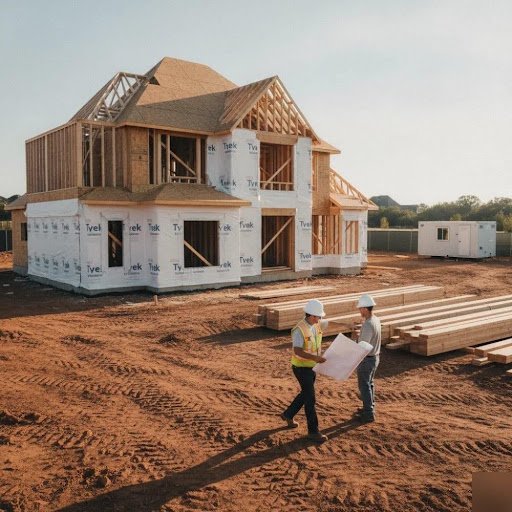
An estate build isn’t a two-person job. An architect, a structural engineer, maybe a landscape designer, a pool contractor, and a long list of specialty trades all touch the same property at different points.
- Coordinating site logistics on tight or established-neighborhood lots
- Pricing and scheduling structural changes as they come up
- Tracking material lead times for custom finishes and fixtures
- Sequencing specialty trades so nobody’s waiting on nobody
On a teardown lot, you almost always find something during demo that wasn’t in the plan, an old footing or a utility line in the wrong spot. You don’t want three parties pointing fingers, you want one team already fixing it.
That’s the difference between a smooth estate build and one that drags into year two. Our full range of services covers the estate work, the additions, and the accessory structures built alongside it.
What Drives Estate Construction Costs Up or Down
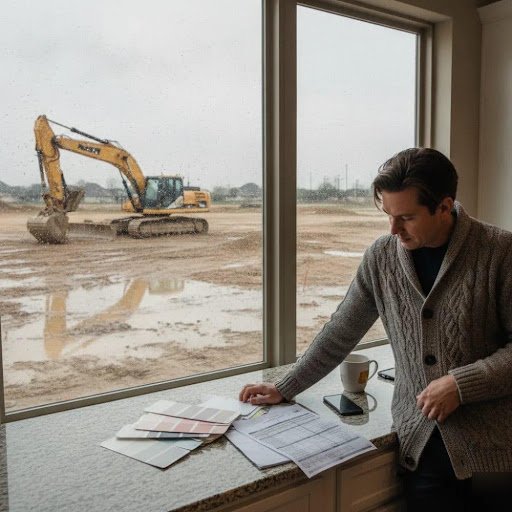
The house itself is only part of the number. What moves the budget is everything underneath and around it: lot condition, site work, and how much complexity the structure carries. A teardown lot in an established Dallas neighborhood almost always costs more to prep than raw acreage out in Prosper or Celina. Demolition, old foundation removal, tree preservation, and utility relocation all happen before framing starts.
- Lot condition and grading, since sloped or odd lots need more site work
- Structural complexity, from multiple stories to large spans and heavy roof loads
- Systems scope, since estate homes run more extensive mechanical and electrical runs
- Finish level, where custom millwork and imported stone carry longer lead times
- Site logistics, since tighter lots leave less room for staging
You control most of these. A lot with usable topography, an efficient footprint, or phasing some finish decisions can bring a budget back in line without touching the design. Need help with Luxury Estate Construction? (469) 333-3179
Site Conditions and Seasonal Timing Shape the Build Schedule
Estate lots come with baggage. Old trees worth keeping, mature landscaping, sometimes a structure that has to come down first.
Teardown lots in established pockets of Dallas, Plano, and Frisco often sit close to neighbors on both sides, which narrows the room for equipment and changes how we sequence demolition and excavation.
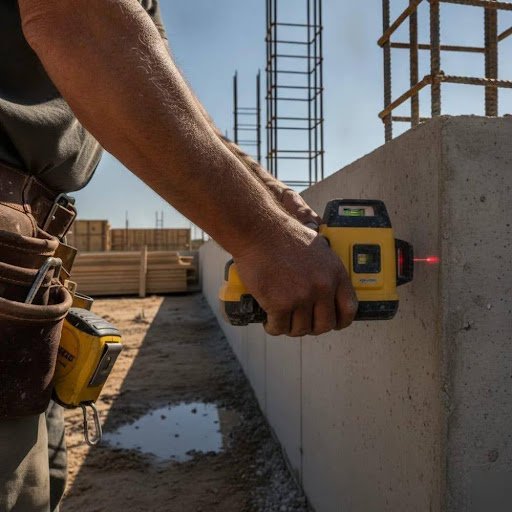
Weather matters more on estate builds because there’s more exterior work to protect. Late spring brings the heaviest rain in North Texas, so we try to get the slab down and the frame dried in before that window.
Most of the time, the schedule surprise on an estate project isn’t the house. It’s the lot.
Before you lock in a start date, ask what’s on the lot now, what has to be removed, and what the wettest months look like for that address.
When a Custom Estate Build Isn't the Right Fit
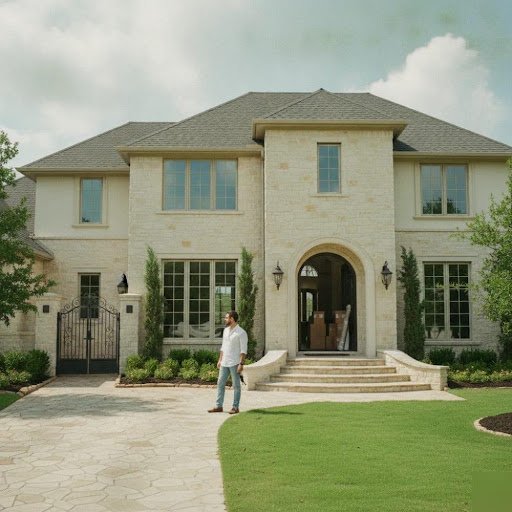
If your existing home has good bones and a layout that mostly works, tearing it down usually doesn’t make sense. That’s a remodeling job, not a rebuild. Structural Renovations or Whole-Home Remodeling get you the same modern feel without the lot acquisition and demolition costs.
- You need more square footage but love your current lot and location
- Your budget is fixed and can’t flex for lot sourcing, demolition, or estate finishes
- You want to move in within a year; estate builds run longer
- You’re comparing production-builder communities where the plan is already picked
If you’re shopping a production community in Frisco or Prosper where the builder controls the plan, lot, and finish package, this isn’t the service you’re after. New Home Construction on your own lot is a different conversation.
Frequently Asked Questions
You need to check lot size, tree cover, and setback lines before anything else. Most estate lots inside Dallas are teardowns, so what’s already built on the land matters as much as the acreage. Mature trees on older lots can limit where a home sits. We walk the property with you and check these details before you make an offer, because a beautiful design can’t fix a lot that won’t hold it.
This happens often on teardown lots, and we handle it the same week it’s found. Old footings, buried utility lines, or unexpected soil conditions show up more than people expect on established Dallas lots. Because one team manages design and construction together, changes get priced and scheduled fast instead of waiting weeks for separate contractors to weigh in. That’s what keeps a surprise from turning into a months-long delay.
Established Dallas lots almost always need more site work before framing even starts. Demolition, old foundation removal, tree preservation, and utility relocation add time and labor on a teardown lot. Raw acreage further out in Prosper or Celina skips most of that prep. Neither option is wrong, but you should know going in that an in-city lot trades convenience and character for extra site work.
Late spring rain in North Texas is the biggest scheduling risk for estate builds. Foundation pours, masonry, and roofing all need dry stretches to go well. We aim to get the slab poured and the frame dried in before the heaviest spring rains hit, when the lot and permits allow it. Estate homes have more exterior work than a standard house, so protecting that work from weather matters more here.
You can start with either one, but coordinating them early saves time. An estate build involves an architect, structural engineer, and often a landscape or pool designer all touching the same lot. When everyone works under one coordinated team, a change to something like a pool house footing gets reviewed by the structural engineer that same week instead of sitting in email for a month.
Narrow, established lots leave less room for equipment and material staging, so crews have to work in a specific sequence. Teardown lots close to neighbors on both sides limit how demolition and excavation happen. A wider lot out in Prosper or Celina gives more room to move materials and stage multiple crews at once. We plan the sequence around your lot’s actual space before work begins.
Request a Consultation. Call (469) 333-3179 today.